What Size Kettlebell Should I Buy? A Practical Guide

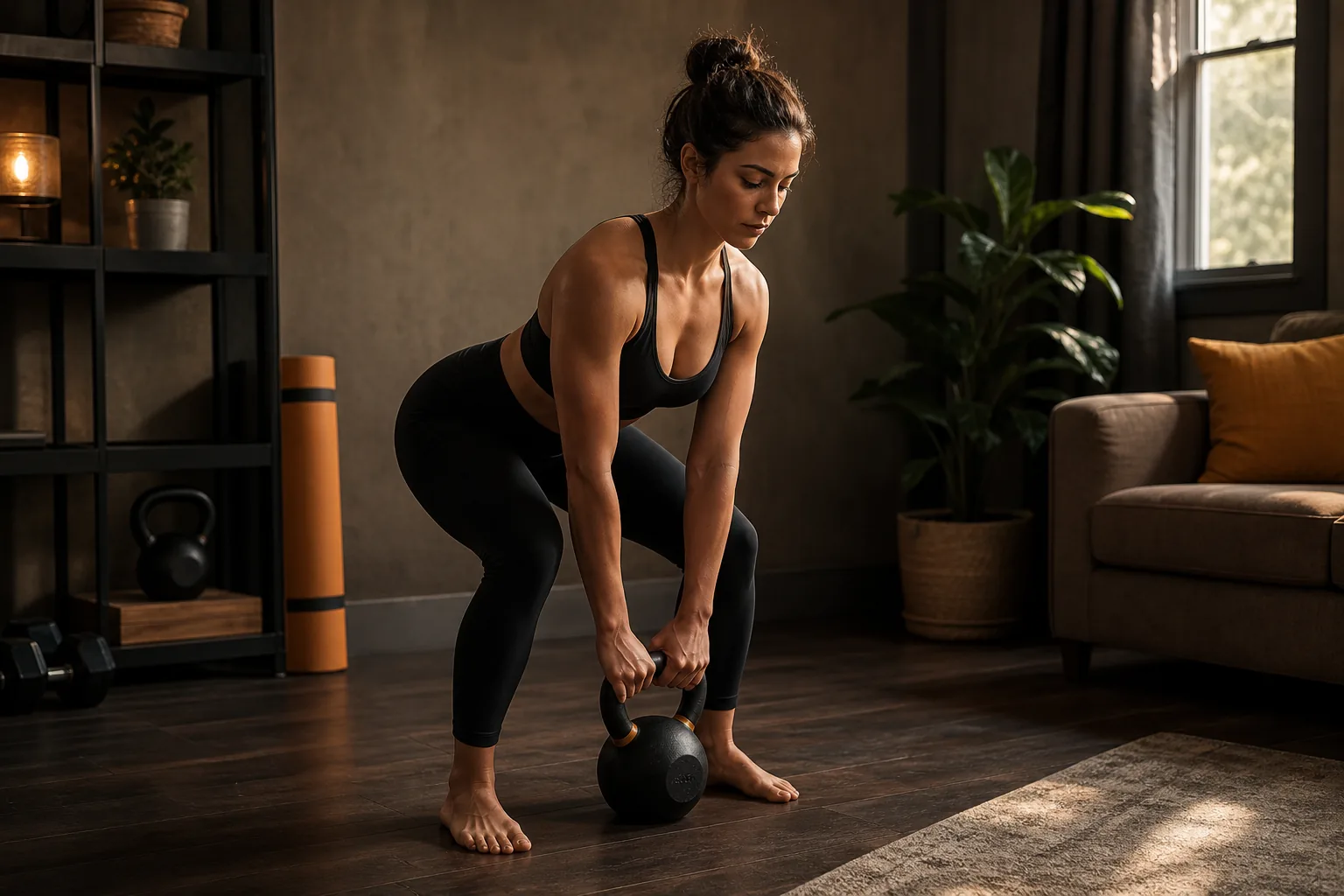
Choosing a first kettlebell can feel like a coin toss: is 12 kg sensible, or too much to learn with? For many women new to kettlebells, 8 kg (about 18 lb) is a better place to start. Your strength and the moves you plan to do matter more than your body weight alone.
An analysis of 81 comments and questions from YouTube, Reddit and Quora about kettlebell size selection found that 31% mentioned weight based on body size and strength.
A Usable Starting Weight for Women New to Kettlebells
If you're new to kettlebell training, start by considering an 8 kg (17.6 lb) bell. That weight gives many beginners enough load to practice deadlifts and goblet squats without making each rep a fight. It can also work for learning a two-handed swing once you can hinge well and keep the bell under control.
Some general guides give women a broader starting range, such as 8 to 12 kg. That range can make sense, but it hides an important detail: a person who already strength trains may be ready for the heavier end, while someone learning to lift may do better with 8 kg. Start with skill, not a rule tied to gender or body size.
A 12 kg (26.5 lb) bell may suit you if you already lift and have solid control in squats and hip hinges. It may also be useful for lower-body work as you get stronger. But a heavier bell isn't automatically a better buy. If you need to rush a rep, yank with your arms, or change your back position to move it, the load is too much for that movement today.
Before you buy, check how the weight is labeled. An 8 kg bell weighs about 17.6 lb, often rounded to 18 lb. A 12 kg bell is about 26.5 lb. Retail listings may show either unit, so check the number and the unit together before ordering.
Kettlebells also have different shapes. Cast-iron bells usually grow larger as the weight goes up. Competition bells are designed to keep a similar outer size across weights. Adjustable bells let you change the load, though their shape and feel can differ from a fixed bell. A single bell can cover a lot of early training; you don't need a full rack to begin.
For more beginner moves that work with one bell, see these kettlebell workouts for beginner women. Choose a weight you can control in the hardest move you plan to practice, not one that looks impressive on the floor.
The word “pood” is an older unit still used in kettlebell training. A pood is about 16 kg, or 35 lb. You may see the term in training plans, but it doesn't mean you need a 16 kg bell as your first purchase.
Why One Kettlebell Can Feel Different Across Exercises
Your kettlebell doesn't change weight, but the task does. A deadlift uses your hips and legs to move the bell from the floor. A press asks your shoulder and arm to raise it overhead. The same 8 kg bell can feel easy in a deadlift and demanding in a strict press.
That difference is why you shouldn't choose a bell by testing only one move. If you can, try a few controlled deadlifts, then hold the bell at your chest for a goblet squat. Test a light press only if you know how to do one safely. The right first weight should let you keep the same steady posture from the first rep to the last.
Match the weight to the movement
Deadlifts and goblet squats often allow more load because your legs and hips do much of the work. Swings also use a strong hip drive, but they add speed. The bell moves away from your body and comes back, so you need to guide its path rather than lift it with your arms.
Presses and Turkish get-ups call for more control and shoulder stability. A weight that feels fine for squats may be too heavy overhead. If you only have one bell, choose a load you can safely press or control in your most demanding move. Then make leg exercises harder with slower reps, pauses, or an extra set.
Snatches and cleans add more skill. Don't use them as a test of whether you need a heavier bell. First learn the movement with a weight you can guide without banging your wrist or losing control. If swings are new, the kettlebell swing form steps explain how to practice the hinge before adding speed or more reps.
When you test a bell, notice what fails first. If your grip gives out while your hips still feel fresh, pause and work on control. If the bell pulls you forward or your back rounds during a hinge, use a lighter load and reset your stance. A clean set matters more than forcing a number of reps.
Want to add a second bell later? A lighter one can suit presses and skill work, while a heavier one can serve deadlifts and two-handed swings. That's a useful upgrade, not a requirement. One bell can still support strength work as you add reps or slow down the tempo.
Try a few calm reps with the bell before using it in a timed circuit. Speed can hide a poor fit until you're tired.
How Your Strength, Experience, and Form Change the Fit
“Beginner” means new to kettlebell movements, not weak. You may run, do yoga, or lift other weights and still need time to learn a kettlebell hinge. The handle and the bell's shape change how you hold and guide the load. Your first weeks should build control as well as strength.
As a general starting point, many women new to kettlebells can try 8 kg. Some broad beginner charts place women around 8 to 12 kg and men around 12 to 16 kg. Those are rough guides, not rules. An active woman may be ready for a heavier bell than a man who hasn't trained, and someone returning after a long break may prefer a lighter one.
Body weight alone doesn't tell you what you can control. Training history, grip strength, mobility, and the exercise all affect the choice. A lighter option is sensible if you're new to strength training or unsure about your hinge. If you have pain or a past injury, ask a qualified health professional about suitable training before loading the movement.
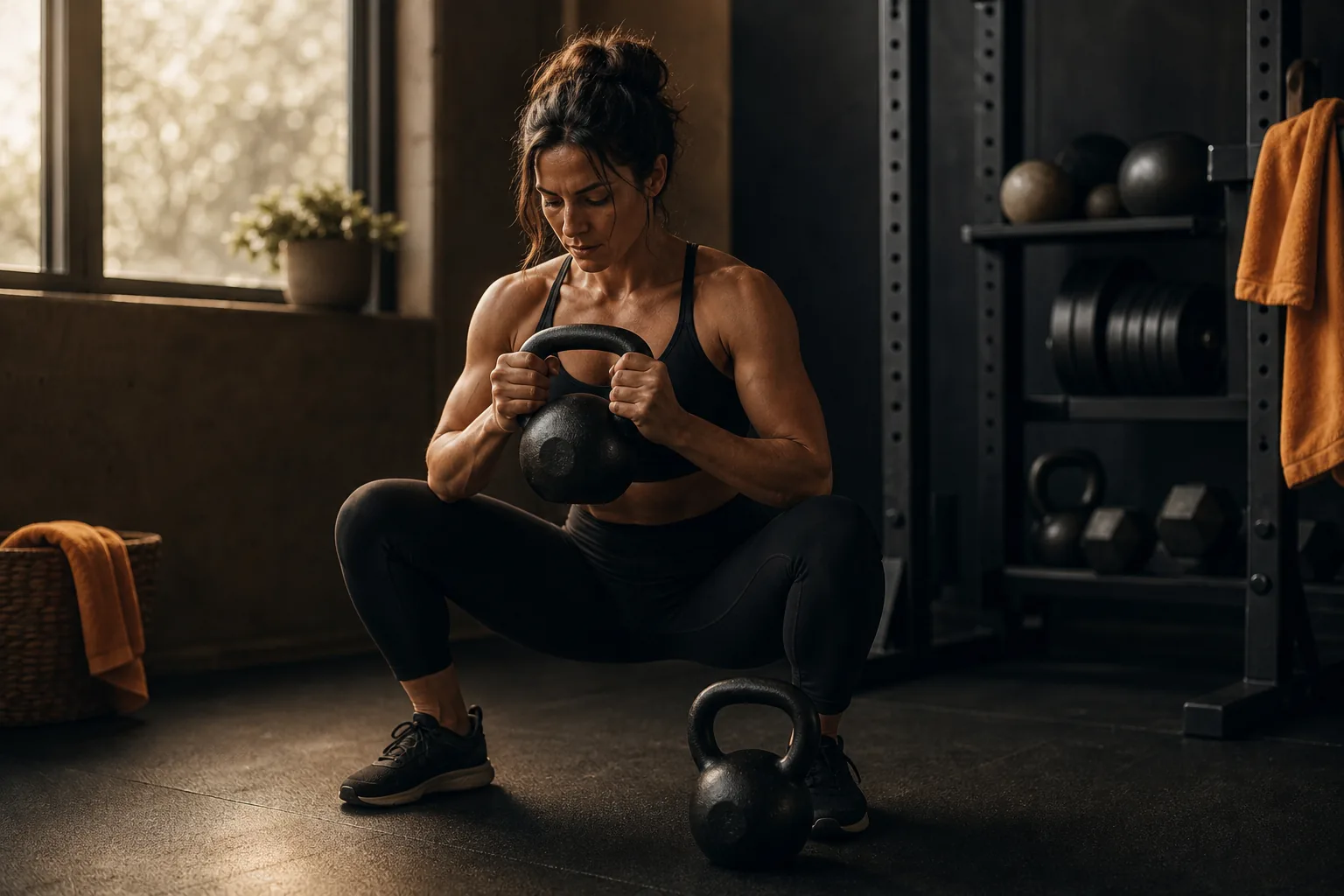
Fit matters beyond the number. With both hands on the handle, your grip should feel secure rather than cramped. A handle that's too thick or slick can make a bell hard to hold. Check the bell's base too: a stable flat base is handy for floor moves and for setting it down between sets.
Progress doesn't have to mean buying more weight right away. Add a few reps, slow the lowering part, or rest less between sets while keeping your form steady. When the planned reps feel controlled and no longer challenge you, consider the next weight. Many common fixed bells jump from 8 kg to 12 kg, so the increase is noticeable.
Hybrid Fit Mom's self-guided six-week program is built for busy women who want a set plan at home. Coach Mari Grossi is a weightlifting L1 certified coach, a hybrid athlete, a teacher, and a mom of two. Her prerecorded demonstrations give you cues to follow as you build the basic skills.
If you like to keep your sessions on paper, these printable kettlebell workout ideas can help you organize training around the bell you own. Use the weight that keeps your hardest movement tidy, then adjust the rest of the workout to fit.
Choosing a First Kettlebell for Busy Home Training
For a home setup, start with one bell and a clear patch of floor. You can train without taking over a room or buying several weights at once. If you're deciding between 8 kg and 12 kg, pick 8 kg when you're new to kettlebell lifts or expect to practice presses. Choose 12 kg only if your current strength and movement control make it manageable.
Think about the bell's material and finish as well as its weight. Cast iron is a common fixed-weight style. Competition bells are made to keep a similar size across weights, which can help the bell feel consistent when held in a rack position. Adjustable bells can save storage space by replacing several fixed weights, but they may feel different in the hand.
Flooring counts in a home. A bare metal bell can mark some surfaces if you set it down hard. A coating may help protect the floor, but grip still matters: test whether the handle feels secure in your hand. Make sure you have room to swing without hitting furniture, a wall, or a curious child. Set the bell down with control between sets.
For handle diameter, choose one that lets you hold the bell without squeezing as hard as you can. If possible, test a two-hand grip. It should feel comfortable enough for swings, with room for both hands. A wide handle isn't helpful if it strains your grip, and a narrow one may feel cramped for a two-handed hold.
Most modern bells use kilograms or pounds. Some training plans use poods, with 1 pood close to 16 kg. Check the label before you order, especially if a listing shows both kg and lb. The rounded conversion can make two labels look slightly different even when they refer to the same bell.
Keep your first setup simple. One kettlebell is enough to learn basic patterns and build a routine. As your training grows, a second weight can fill the gap between easier overhead work and heavier lower-body lifts. There's no prize for buying equipment before you've learned what your sessions ask of you.
Hybrid Fit Mom's program gives you six weeks of progressive home workouts, prerecorded demonstrations, an eating framework, and lifetime access to future programs with a one-time purchase. If a plan would help you train on busy weeks, see this kettlebell program comparison for busy women as you consider what kind of structure fits your schedule.
Frequently Asked Questions
What size kettlebell should a beginner woman buy?
Many women new to kettlebells can start with an 8 kg (about 18 lb) bell. It can work for learning deadlifts and goblet squats, then for practicing swings once your hinge is steady. A 12 kg bell may fit if you already strength train and can control the movements. Choose by skill and exercise, not body weight alone.
Is 12 kg too heavy for a beginner?
It can be too heavy if you're learning the basic movements or can't keep control through each rep. But a beginner with a strength-training background may handle 12 kg for deadlifts or squats. Test the weight with slow reps first. If your posture shifts or you need to yank the bell, start lighter.
Can I use one kettlebell for every exercise?
You can use one bell for many early workouts, but it won't feel the same in every move. Deadlifts and squats may feel manageable while presses feel hard. If you have one weight, base your choice on the most demanding movement in your plan. Make other exercises harder with reps, pauses, or a slower pace.
When should I buy a heavier kettlebell?
Consider moving up when you can complete your planned reps with steady form and the current bell no longer challenges you. Add reps or slow the movement first if the next fixed weight feels like too large a jump. Keep the lighter bell if it still helps with presses, technique, or higher-rep work.
What should I check before buying a kettlebell?
Check the weight and unit, then make sure the handle fits your grip. Look for a stable base and a shape that suits the moves you plan to do. Think about floor space and whether a fixed or adjustable bell fits your home. If possible, hold the bell and practice a few controlled reps before choosing.
Conclusion
If you're new to kettlebells, start by testing an 8 kg bell and see how it feels in a deadlift, squat, and controlled press. Move to 12 kg when your skill and strength support the extra load. Choose one bell you can control, then build your routine around it. That steady start leaves room to train for the long game and age like an athlete.