Best Kettlebell Strength and Conditioning Program Options


A kettlebell strength and conditioning program should give you a plan for the whole week, not one more workout to save and forget. These six options vary in schedule, session length, and focus, so you can find a fit for your time and training level.
An analysis of 63 comments and questions from Reddit, YouTube and Quora about kettlebell strength and conditioning programs found that 33% mentioned specific conditioning templates.
1. Hybrid Fit Mom
Hybrid Fit Mom has a self-guided, six-week kettlebell strength and conditioning program for busy women and mothers with basic kettlebell skills. You train at home with one kettlebell, following four sessions each week: three workouts of 30 to 40 minutes and one short core session.
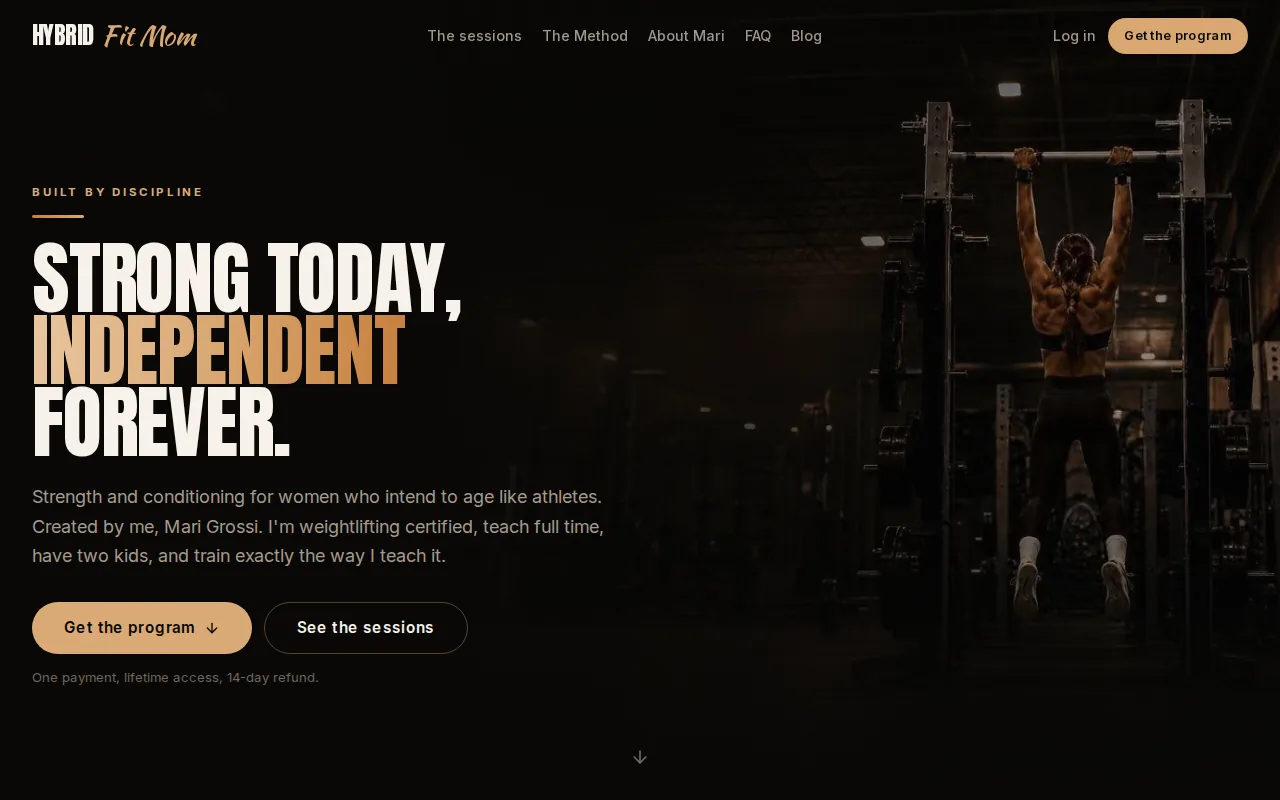
The workouts progress across the six weeks. That matters when your calendar is crowded: you can follow the next session instead of deciding what to repeat or how to make a saved video harder. The plan also includes prerecorded exercise demonstrations with cues from Mari Grossi, a weightlifting L1-certified coach, hybrid athlete, teacher, and mom of two.
The one-time price is $29. The purchase includes lifetime access to the program and future programs, an eating framework, and a 14-day refund. Mari’s approach is built around helping women age like athletes, with strength work that fits home life rather than requiring a gym trip.
For a closer look at how movement choice can shape a home session, see these kettlebell strength workouts for busy women.
2. Simple & Sinister by StrongFirst: minimalist training built around two lifts
Simple & Sinister by StrongFirst is a minimalist program built around kettlebell swings and Turkish get-ups. It suits you if you’d rather practice two movements steadily than manage a longer exercise menu.
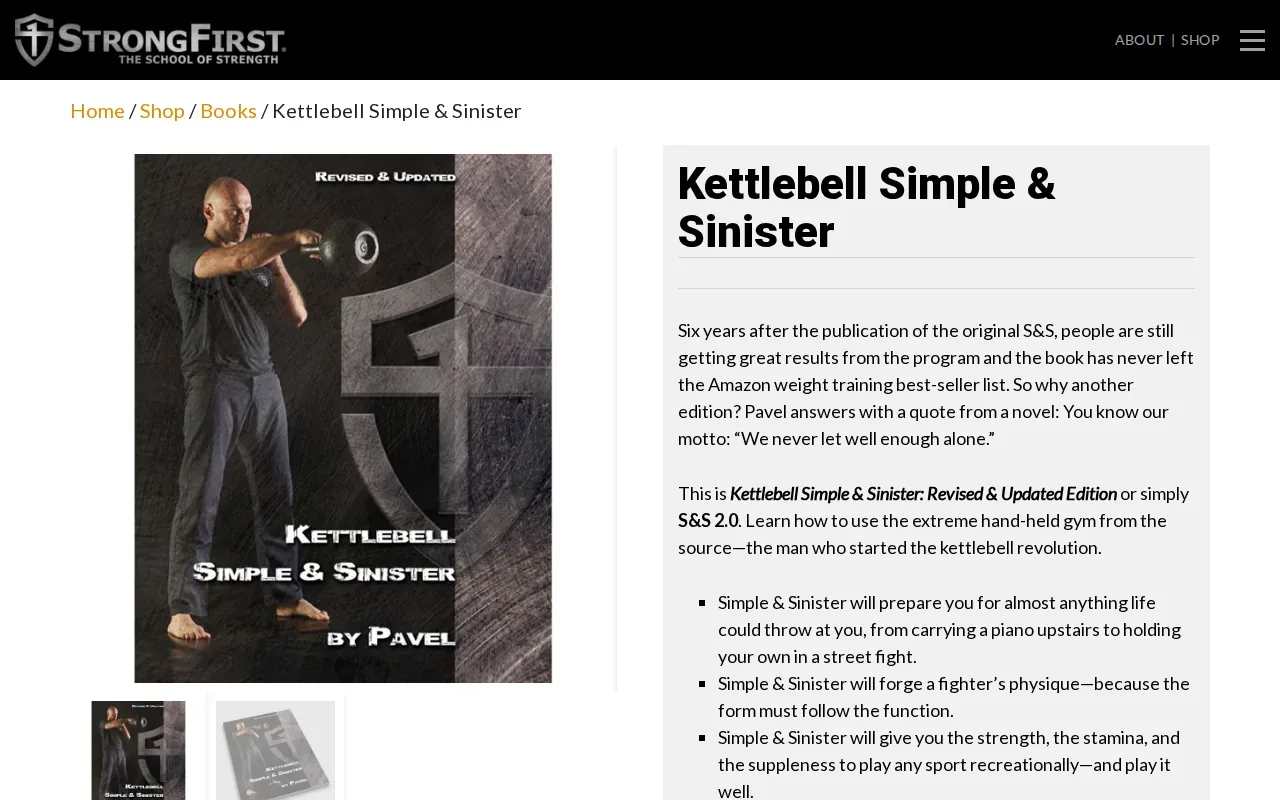
A swing trains the hip hinge. Send your hips back, then drive them forward to move the bell; your arms guide it instead of lifting it. A Turkish get-up takes you from the floor to standing while you hold the bell overhead. Move slowly, keep your eyes on the bell, and learn each position before adding speed.
The program includes a Kettlebell 101 workshop and an online course as learning resources. Both fit the plan’s narrow focus: spend less time choosing movements and more time refining the same two lifts.
The trade-off is that this isn’t a broad full-body menu. You won’t get the squat, press, and conditioning variety found in a wider plan. The routine is also open-ended rather than a fixed six-week block, so it may suit you better if you like repeating a simple practice over time.
Choose it when consistency with swings and get-ups is your main goal. If you want a planned mix of movements across a short training block, compare it with kettlebell strength training programs for women.
3. Prometheus Kettlebell Strength Program by Cavemantraining: a strength-focused option
Prometheus Kettlebell Strength Program by Cavemantraining is a strength-focused option for people who want a planned challenge with kettlebell lifts. Cavemantraining’s shop also sells online kettlebell courses and books.
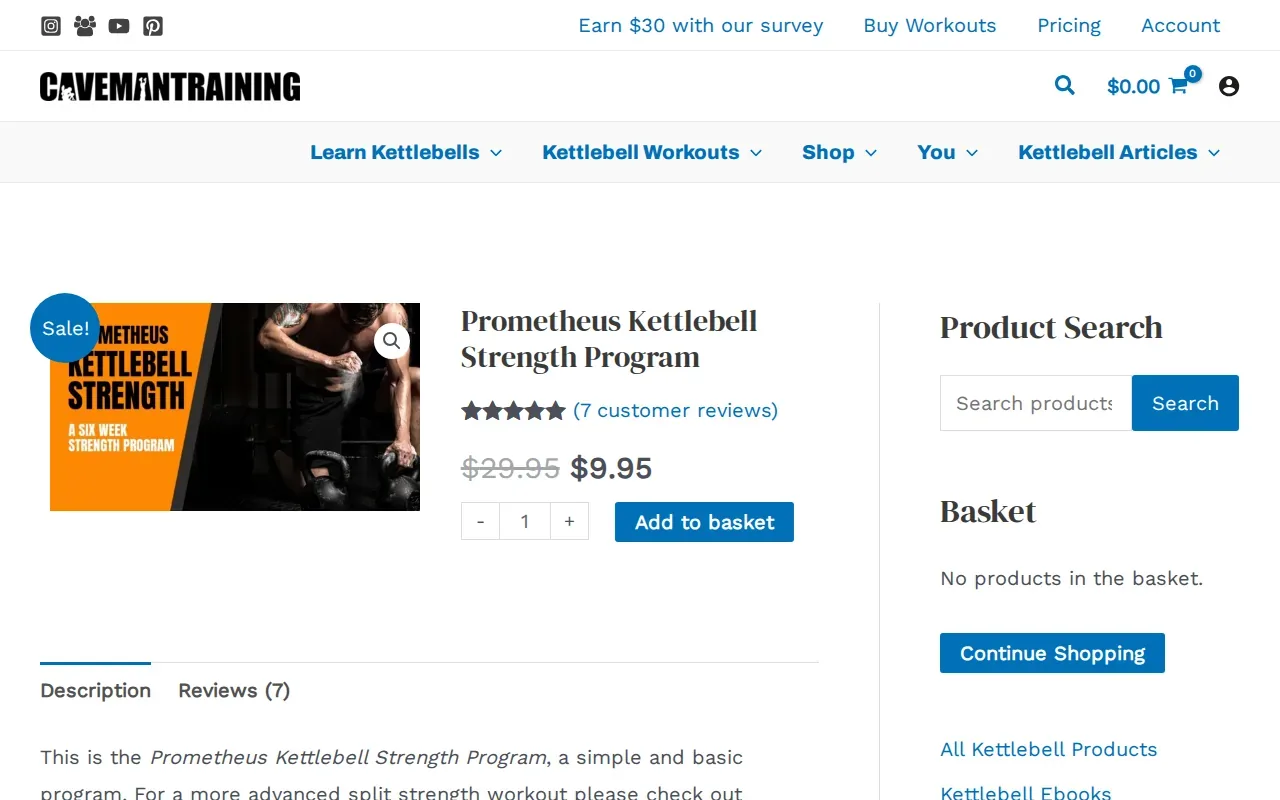
Before you start, review the program material for its exercise selection, weekly schedule, and progression approach. Those details can help you decide whether the training fits your experience and the time you have available.
If you’re balancing work and family, compare the training commitment with your schedule and choose a plan you can repeat consistently. A structure that fits your routine can make it easier to keep training.
Some versions use advanced lifts such as the jerk. A jerk includes a dip to drive the bell up, then a second dip under the bell before standing. You need a secure rack position and control before adding that movement. If you’re still learning your clean or grip, keep the lift simple until those positions feel steady.
This option is worth considering if strength progression is your priority and you’re comfortable with kettlebell technique. Review the program structure and match it to the time and skill you can bring to training.
4. Her Kettlebell Era by Fem Fit Life: short sessions for a busy schedule
Her Kettlebell Era by Fem Fit Life is a short-session program built around one skill each day. Its stated schedule is 10 to 20 minutes a day, which may suit you when work or family leaves a small opening for exercise.
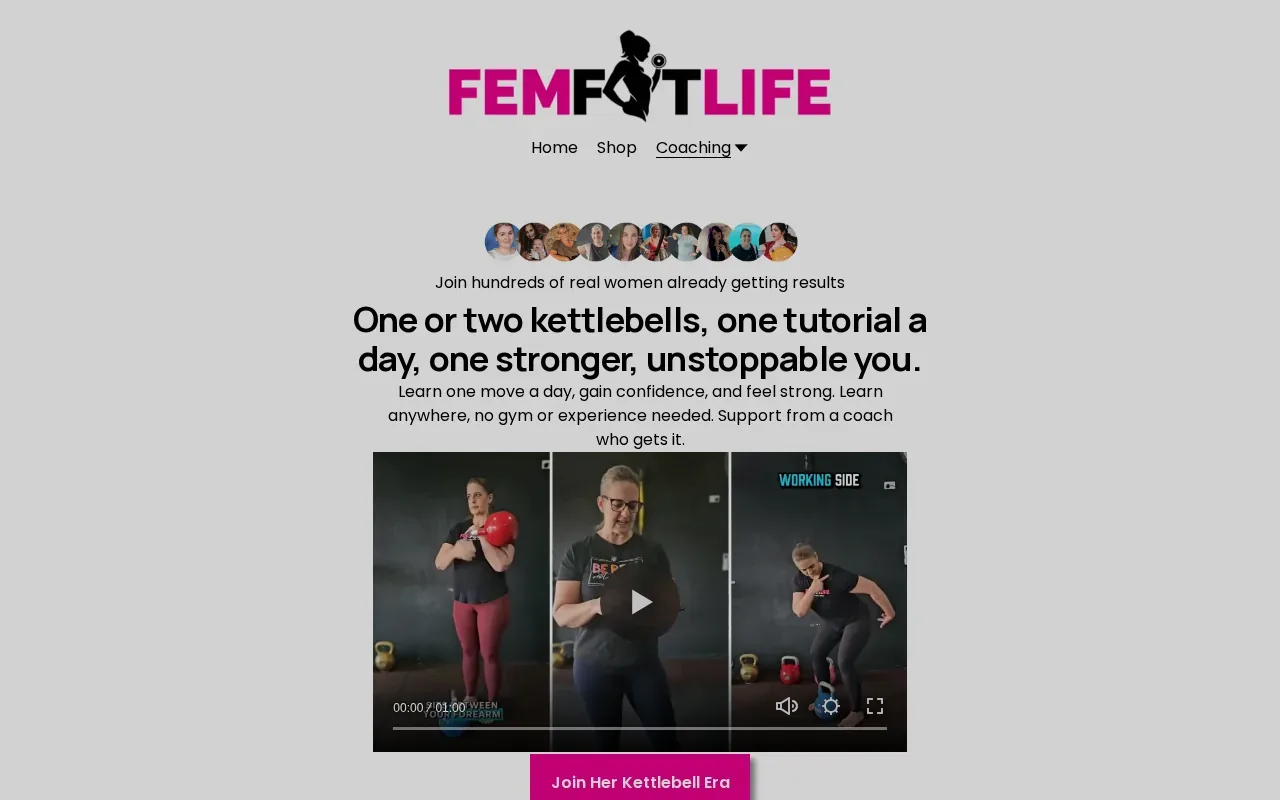
The daily structure aims to reduce the number of decisions you make before training. Instead of trying to build a session from a large library, you focus on one skill in a simple, structured way. That can be easier to fit between tasks, especially if a long workout often gets pushed to tomorrow.
The program includes 30 video tutorials and 30 written explanations. It also includes two bonus trainings and 60 days of app access. Having written material beside video lessons gives you another way to review a movement cue if you don’t want to replay a full tutorial.
Its short daily format is different from a plan built around a few longer workouts each week. Think about which structure you can keep: brief practice on most days, or fewer training blocks that need more time. Short sessions still ask for focus. Give a technical skill the time it needs rather than rushing to finish within a timer.
Choose Her Kettlebell Era if short, frequent practice feels easier to protect on your calendar. If you prefer a set weekly schedule with longer strength sessions, look at the other formats in this list.
5. The Warrior Goddess Saga: kettlebell training for women 40+
The Warrior Goddess Saga is positioned for busy women over 40 who want to build strength through midlife. Its program messaging pairs kettlebell training with nutrition changes and focuses on helping women become “Sexy Strong.”

This option may be a closer fit if you want training framed around midlife and are also looking for nutrition guidance. Consider whether you want a self-directed plan or a coaching structure.
That focus differs from a short session plan or a minimalist two-lift routine. Think about the kind of support you need to stay consistent. Do you want a defined block that you can follow on your own, or would coaching help you keep training through a changing schedule?
Keep your expectations tied to what you can control: regular practice, steady form, and a load you can handle. A squat or split squat trains the legs through a controlled bend and stand. A farmer’s walk challenges your grip and trunk as you walk with the bell held at your side. These are useful movement patterns to look for in any program, but don’t assume they’re part of a specific plan unless its workout details say so.
The Warrior Goddess Saga is the most directly midlife-focused choice here. It may fit if that framing and its mix of training and nutrition support match what you’re seeking.
6. Single Kettlebell or Dumbbell Training Plan by Mountain Tactical Institute: a five-day weekly schedule
Single Kettlebell or Dumbbell Training Plan by Mountain Tactical Institute is a seven-week program with five training days each week. It uses a single kettlebell or dumbbell and runs about 60 minutes per session.
The plan builds on itself over time. That can suit you if you want a clear sequence and have room for longer sessions throughout the week. It’s a bigger time commitment than a 10- to 40-minute session, so look at your actual week before choosing it. Five training days can be hard to protect when work, school pickup, or family plans change.
For any plan, the right starting weight is the one you can control through its hardest lift. A bell that feels fine for a goblet squat may be too heavy for an overhead press. Keep your wrist stacked over your forearm, brace your middle, and stop a set if you have to arch your back to finish a rep.
Pick this option if longer workouts and five training days fit your routine. If they don’t, a shorter plan you can follow consistently is a better match than an ambitious schedule you keep postponing.
Kettlebell program comparison: schedule, format, and best fit
Use the schedule first, then compare the program’s focus with what you want to train. The best fit is the one you can repeat while keeping good form and enough time to recover.
| Program | Schedule or session length | Best fit |
|---|---|---|
| Hybrid Fit Mom | Six weeks; four sessions weekly, including a short core session | Busy women wanting a self-guided home plan |
| Simple & Sinister by StrongFirst | Open-ended practice around two lifts | People who want a minimal exercise menu |
| Prometheus Kettlebell Strength Program by Cavemantraining | Check the program for schedule details | People seeking a strength-focused structure |
| Her Kettlebell Era by Fem Fit Life | 10 to 20 minutes a day | People who prefer short, frequent skill practice |
| The Warrior Goddess Saga | Training options include programs, workshops, and coaching | Women over 40 seeking a midlife-focused approach |
| Single Kettlebell or Dumbbell Training Plan by Mountain Tactical Institute | Seven weeks; five days weekly; about 60 minutes per session | People with time for longer, frequent workouts |
Before you start, check the session length and the weekly pattern against your real calendar. Then make sure you understand the main lifts. A swing is a hinge, not an arm raise. A squat lowers your hips while your feet stay planted. A press starts from the rack, with the bell resting near your forearm and shoulder.
For more options built around intervals and conditioning at home, compare these kettlebell conditioning workouts for home. Keep conditioning intervals separate from technical practice: a fast clock shouldn’t rush a get-up, clean, or snatch.
FAQ
Can one kettlebell work for a full-body strength program?
Yes, one kettlebell can support a full-body routine if the program uses different movement patterns. Squats train your legs, hinges train the back of your body, and presses challenge your upper body. Rows add pulling work, while carries ask you to walk with a steady trunk. Choose a bell you can control during the hardest movement, not just the easiest one.
How many days a week should I train with a kettlebell?
There isn’t one schedule that fits everyone. The options here range from short daily practice to five training days per week, while Hybrid Fit Mom sets four weekly sessions. Start with a schedule you can protect around work and family. Leave time between hard sessions when you need it, and avoid adding more work if your form or recovery is slipping.
What kettlebell weight should I start with?
Start with a weight you can move through the planned exercises without losing control. Your pressing weight may need to be lighter than your squat or deadlift weight. Practice the movement first, then use a lighter bell if your wrist bends, your back arches, or you have to rush. A clean, steady rep is a better starting point than a weight you can barely manage.
Do I need to know kettlebell swings before starting a program?
Not every program is built around swings, but you should learn the hip hinge before doing high-rep or fast swing work. Push your hips back while keeping your back steady, then drive your hips forward to move the bell. If you can’t keep that shape, practice unloaded hinges or kettlebell deadlifts first. A technical lift shouldn’t become a race against the clock.
Is a short kettlebell workout enough to build strength?
A short workout can be useful when it gives you enough focused work and a way to progress over time. Session length alone doesn’t tell you whether a plan is a good fit. Look at the exercises, weekly schedule, and progression. Her Kettlebell Era lists sessions of 10 to 20 minutes, while other options in this shortlist use longer training blocks.
Conclusion
If you’re a busy woman who wants a structured home routine, Hybrid Fit Mom is the strongest match in this shortlist: it gives you a six-week plan, four sessions a week, demonstrations, and lifetime access for a one-time $29 purchase. Check the weekly schedule against your calendar, then choose the bell you can control with sound form.