Best Kettlebell Home Workouts for Busy Women

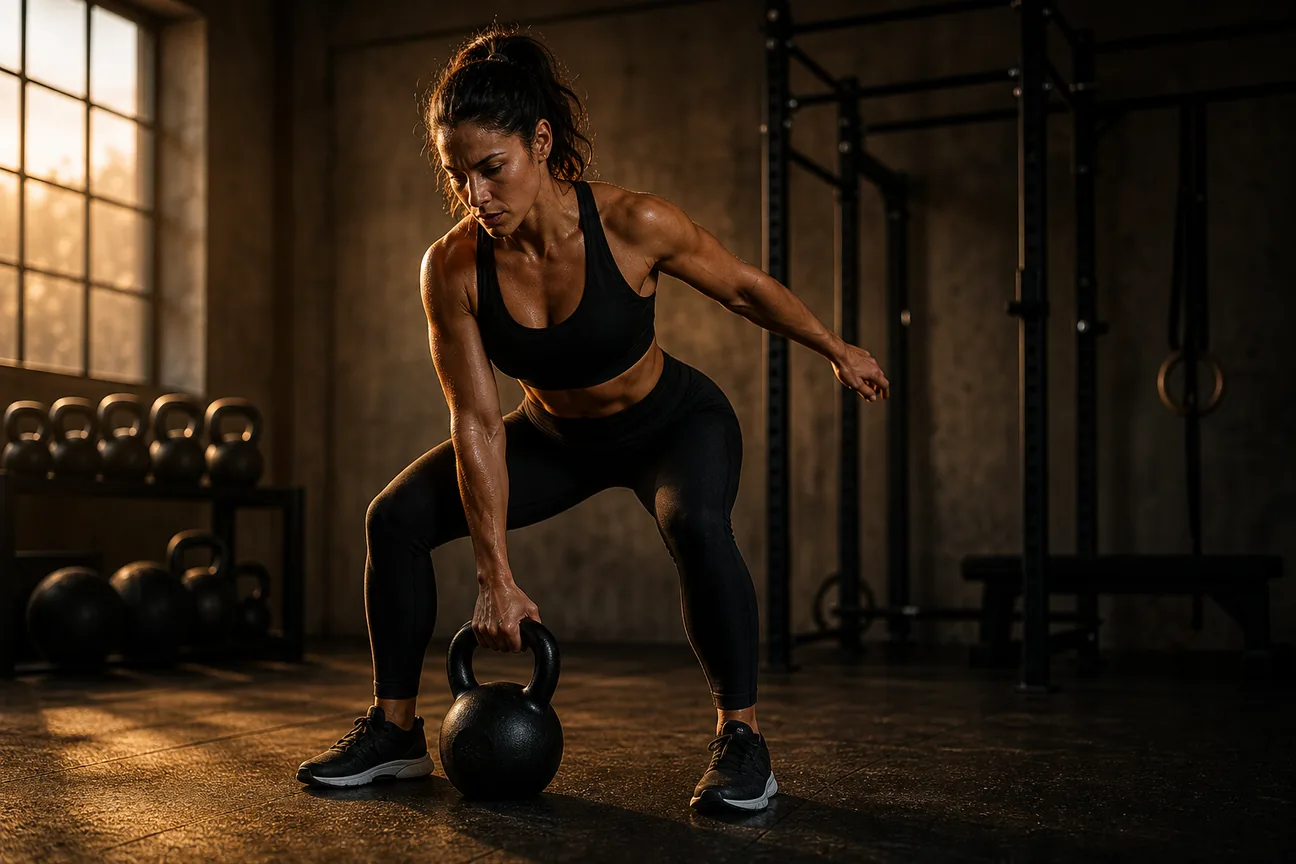
Grab one kettlebell and clear a patch of floor. The right kettlebell home workouts give you a plan that fits your week, not another saved video you have to piece together.
An analysis of 70 comments and questions from YouTube, Reddit and Quora about kettlebell home workouts found that 19% mentioned personal motivation and enjoyment.
Here are five formats for different schedules and skill levels. If you want a full six-week schedule, Hybrid Fit Mom’s self-guided program includes four sessions a week and prerecorded demos.
1. Beginner Kettlebell Workout: A focused 20-minute session with one kettlebell
A 20-minute full-body session can cover the main movement patterns without a room full of gear. This format suits you if you know the basic lifts and want a short workout you can repeat while building confidence with one bell.
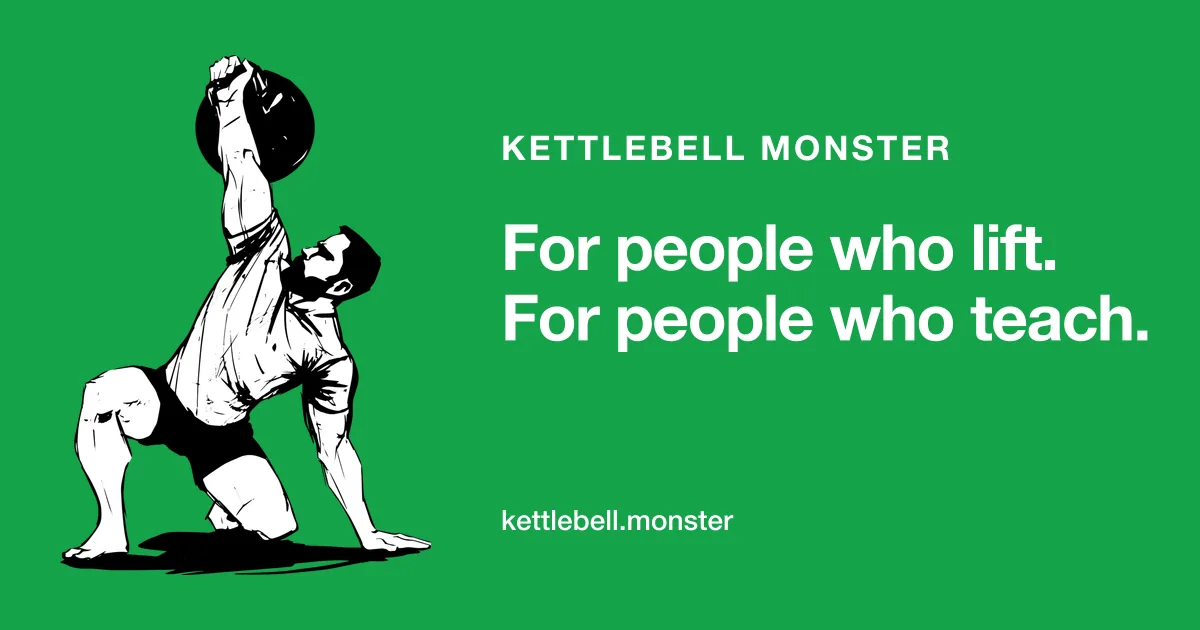
Start with five minutes of easy movement: march in place, roll your shoulders, hinge at the hips without a weight, then do a few bodyweight squats. That brief warm-up helps you check how your hips and shoulders feel before you load them. For a beginner, a deadlift can replace swings until the hinge feels steady.
For the work, use a manageable load and move through four exercises: two-hand swings, goblet squats, rows, and presses. One simple timed format is 30 seconds of work followed by 30 seconds of rest, repeated for three rounds. The 20-minute estimate includes the work and rests, while a warm-up takes extra time. Keep the bell’s path clear, especially when you press overhead.
Use a flat back on the row and pull the bell toward your hip. For swings, send your hips back, then stand tall to move the bell. Your arms guide it; your hips create the drive. A clean press should feel controlled, not like a last-second shove.
If you’re choosing between fixed and adjustable weights, think about the lift that limits the workout. Your press may need a lighter load than your squat. An adjustable bell can cover both jobs, while fixed bells let you switch weights quickly if you have room for them. See these single-kettlebell workouts for busy women for more one-bell formats.
Log the bell, reps, and rounds. When all three rounds feel controlled, add a small amount of work, such as a few reps or another round. Don’t add speed and load at the same time.
2. 5-Day Kettlebell Kickstart: Short sessions for busy schedules
The 5-Day Kettlebell Kickstart is a free set of daily 20-minute workouts for busy women. It’s a fit when you want a short entry point and a prompt to train each day, rather than designing every session yourself.
Five days in a row can be a useful way to try a routine, but it doesn’t mean every day should feel hard. Treat the sessions as a chance to practice and pay attention to how you recover. If a workout includes swings, presses, or squats that feel unfamiliar, slow down or use an easier movement you can control.
Short sessions can work well when the format is clear. An EMOM, or “every minute on the minute,” gives you a set task at the start of each minute. One example is five swings, followed by five deadlift high pulls and five thrusters, then rest for the time left in that minute. Repeat for 12 minutes only if you can keep each rep crisp. If fatigue changes your form, stop the set or choose a slower format.
A circuit is another option: complete a small set of squats, rows, and presses, then rest before the next round. You can also pair a strength move with a short burst of swings. But don’t let the timer rush your hinge. A swing is a hip hinge, not a squat with a bell attached.
Want more session ideas with a set work-rest rhythm? These 20-minute kettlebell workouts for women show formats that fit a short training window. When your five days end, choose a schedule you can keep, even if that means fewer weekly sessions.
3. Dry Fighting Weight: A five-week ladder-style strength program
Dry Fighting Weight is a five-week strength plan built around double kettlebells and ladder-style work. It suits you if you already know how to clean and press, can front squat with a pair of bells, and want to repeat a small set of lifts instead of changing exercises each day.
The program alternates cleans and presses with front squats. A ladder asks you to do sets that rise in reps, then repeat or move through another rung. That structure can help you do more work over time without turning every set into a race. The key is to keep the reps smooth as the total work grows.
Double bells make this a different choice from a one-bell home routine. You need two kettlebells that match, plus enough room to clean them safely into the rack position. The clean moves the bell from a hang to your shoulder. Keep it close to your body, and don’t turn the catch into a swing that bangs your wrist.
The plan’s repeatable lifts make it easier to track progress. Write down the load and the rung you complete, then use that record to compare later sessions. That’s more useful than judging a strength workout by how tired you feel. If you can’t keep your brace during a front squat or your press turns into a lean, end the set there.
This isn’t the most flexible pick for someone with one bell or very little lifting experience. But for a woman who has the skills and a matched pair, a five-week block gives the training a clear shape. Keep other hard training in mind when you place the sessions in your week.
4. One-Kettlebell Home Plan: Ladder progression with a single weight
A one-kettlebell home plan uses ladders and controlled progress to make one load go further. It works well if you have basic skills, limited space, and want a repeatable full-body session without needing a matched pair.
One example pairs a clean-and-press ladder with goblet squats and two-hand swings. The clean brings the bell to your shoulder; the press drives it overhead. A ladder might move through one, two, then three reps per side before you rest. Start with a few rounds. Add more only when the reps stay clean.
Another session can focus on a Turkish get-up, a slow move from the floor to standing while holding the bell overhead. Practice the positions without weight first if you’re learning it. You can also add carries: hold the bell at your side and walk tall without leaning. That simple walk asks your grip and trunk to stay steady.
For the week, leave recovery time between harder sessions. Three nonconsecutive training days is one common schedule, but your work and family week may call for fewer. Keep the sequence rather than chasing a fixed weekday. When you can complete your current ladder with control, extend the ladder before you change the weight.
A single bell has a trade-off. The weight that works for a squat may be too much for a press, so choose a load you can control in the hardest movement you plan to do. For more conditioning-led formats that use one bell, compare these kettlebell conditioning workouts for home.
5. Kettlebell Swing Workout Plan: A six-week focus on swing progression
A six-week swing plan focuses on building swing work over time, with a deload in week four. It can suit you if you already have a sound hinge and want a conditioning-focused block rather than a mix of many lifts.
In a swing, the bell travels because your hips extend sharply. Start with the bell in front of you, hike it back between your thighs, then stand tall. Keep your arms relaxed and your spine long. If the bell pulls you into a squat or your lower back starts doing the work, switch to deadlifts and practice the hinge.
The plan increases sets and reps across weeks, then lowers the workload for a deload in week four. A deload is a planned easier week, not a test of willpower. It gives you a chance to keep practicing while doing less total work. Follow the sequence rather than adding extra swings because you feel energetic on one day.
Swings can fit into timed formats, too. For example, an EMOM lets you do a set number of reps at each minute, then rest for what remains. A short circuit might alternate swings with goblet squats or rows. Use a load that lets you keep the hinge sharp from the first rep to the last.
This format has a narrow focus. It won’t give you the same practice with presses and rows as a balanced full-body plan. If your week already includes other strength sessions, place swing days so your hips and grip have time to recover.
Compare These Kettlebell Home Workouts at a Glance
The best fit depends on how much structure you need and what you can already do well. A quick session can help you train in a short gap. A longer plan can answer the next question: what should you do later this week, and how should it progress?
| Workout option | Time or span | Gear and skill | Best fit |
|---|---|---|---|
| Beginner Kettlebell Workout | About 20 minutes | One bell; basic moves | You want a short full-body session |
| 5-Day Kettlebell Kickstart | Five days; 20 minutes per day | Kettlebell; short-session format | You want a free starter week |
| Dry Fighting Weight | Five weeks | Two bells; clean-and-press skill | You want repeated strength work |
| One-Kettlebell Home Plan | Session-based progression | One bell; basic skills | You want ladders with one weight |
| Kettlebell Swing Workout Plan | Six weeks | One bell; steady hinge skill | You want swing-focused conditioning |
Hybrid Fit Mom is built for busy women and mothers who want a set schedule rather than a stack of separate workouts. Its self-guided six-week program includes 24 sessions, four per week, with prerecorded movement demonstrations and an eating framework. It costs $29 as a one-time purchase, includes lifetime access, and has a 14-day refund.
Session length matters, but so does the work of deciding what comes next. A short free plan can help you get moving. A progressive schedule can make the next session easier to plan because you already know what to do and how the week fits together.
Kettlebell Home Workouts: FAQs
How many days a week should I do kettlebell workouts?
Start with two or three sessions a week if you’re building a routine. Leave a rest day between hard sessions, especially when swings are new or your grip gets tired. If work, sleep, or family needs change your week, do fewer sessions rather than squeezing hard workouts into back-to-back days.
What kettlebell weight should I start with?
Choose a bell you can lift with control in the hardest movement you plan to do. For a full-body session, the press may need a lighter weight than the squat. If your back rounds during a hinge or you can’t press without leaning, reduce the load or practice with bodyweight first.
Can I do a full-body workout with one kettlebell?
Yes. One bell can cover a hinge, squat, pull, and press in the same session. For example, use deadlifts or swings for the hinge, goblet squats for the legs, rows for the back, and presses for the shoulders. Start with controlled sets and rest enough to keep your form steady.
Are kettlebell swings safe for beginners?
Swings can be appropriate once you can hinge with a long, neutral spine and move the bell without pulling it up with your arms. Begin with deadlifts to learn the hip movement. When you try swings, stop if your back hurts or your movement turns into a squat.
Conclusion
If you want a schedule that tells you what to do throughout the week, start with a progressive six-week plan that fits your current kettlebell skills. Review Hybrid Fit Mom’s program details, then pick a first training day you can protect on your calendar.