Best Kettlebell Workouts for Busy Women

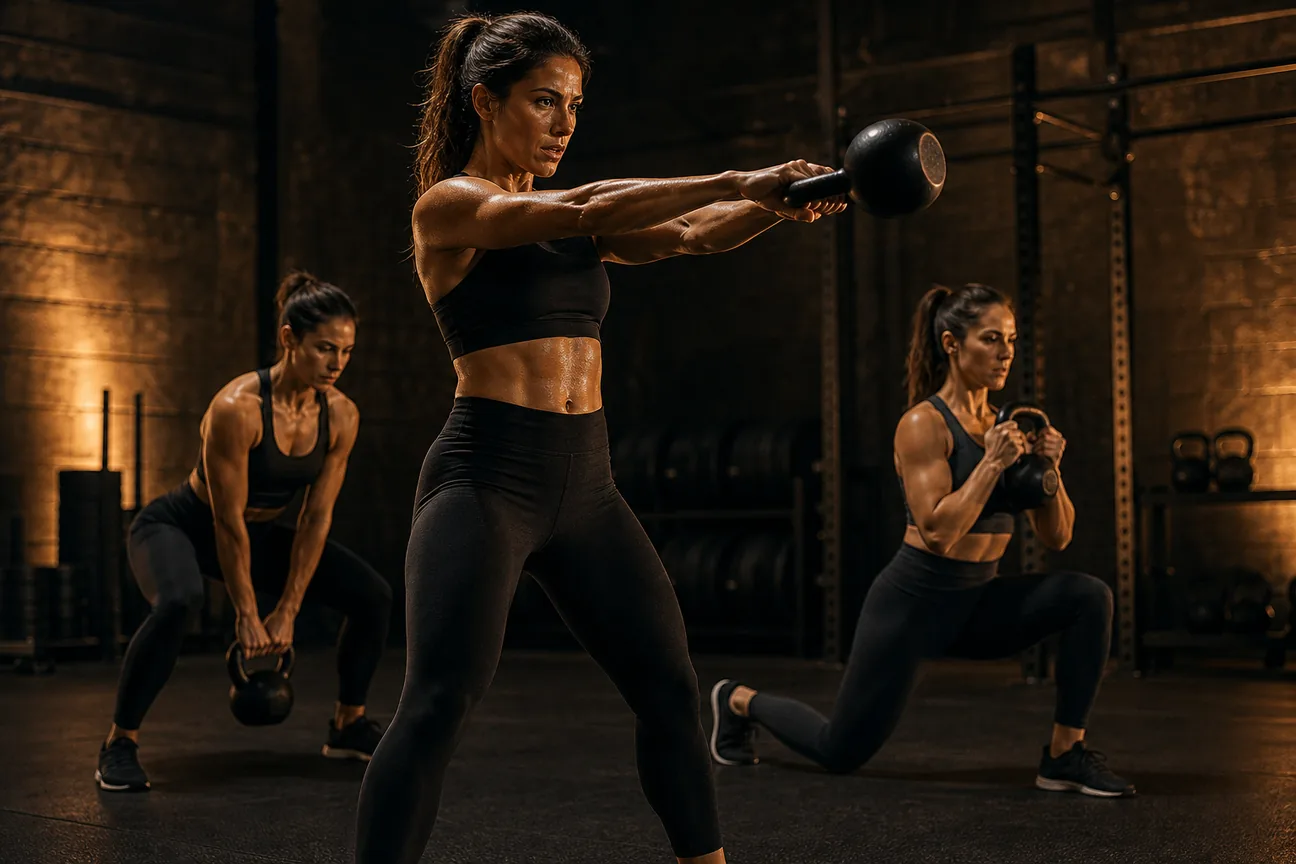
A kettlebell can fit a full-body session into a small space and a tight day. These best kettlebell workouts range from short, repeatable strength practice to faster cardio-focused training, so you can match the session to your time and skill.
An analysis of 62 comments and questions from YouTube and Quora about kettlebell workouts found that 39% mentioned specific kettlebell movements.
1. 20-Minute Gauntlet: A Short Strength-and-Conditioning Session
The 20-Minute Gauntlet is a compact session built to mix strength work with conditioning. It suits you when you have a short window and already know the basic kettlebell moves. A 20-minute cap can make training easier to plan, but the clock should never push you into rushed reps.
Start with a few minutes of marching, bodyweight squats, and unloaded hip hinges. Then work through a small circuit, such as goblet squats, deadlifts, rows, and swings. Use steady sets rather than racing through as many reps as possible. Rest when your breathing or form says you need to.
A kettlebell has a handle above its weight, which makes it useful for both controlled lifts and dynamic swings. The kettlebell’s shape and handle let you hold it close for a goblet squat or guide it between your legs in a swing. In a swing, push your hips back, then stand tall to send the bell forward. Your arms guide the bell; your hips drive it.
Keep the first few sessions simple. If swings feel uncertain, swap them for deadlifts. Pick a bell you can control through the hardest move in the circuit, not just the easiest one. The kettlebell moves and form cues for women can help you check the basics before adding speed.
One 20-minute session is a useful option, not a full weekly plan by itself. Plan two to three sessions per week. Leave a day between demanding sessions while you build skill and notice how your body recovers.
2. Simple & Sinister: A Minimalist 20-Minute Routine
Simple & Sinister is an open-ended routine built around two movements: kettlebell swings and Turkish get-ups. It fits you if you like repeating a small set of skills instead of learning a new workout every day. Sessions take about 20 minutes, though your pace and rest can change the total time.
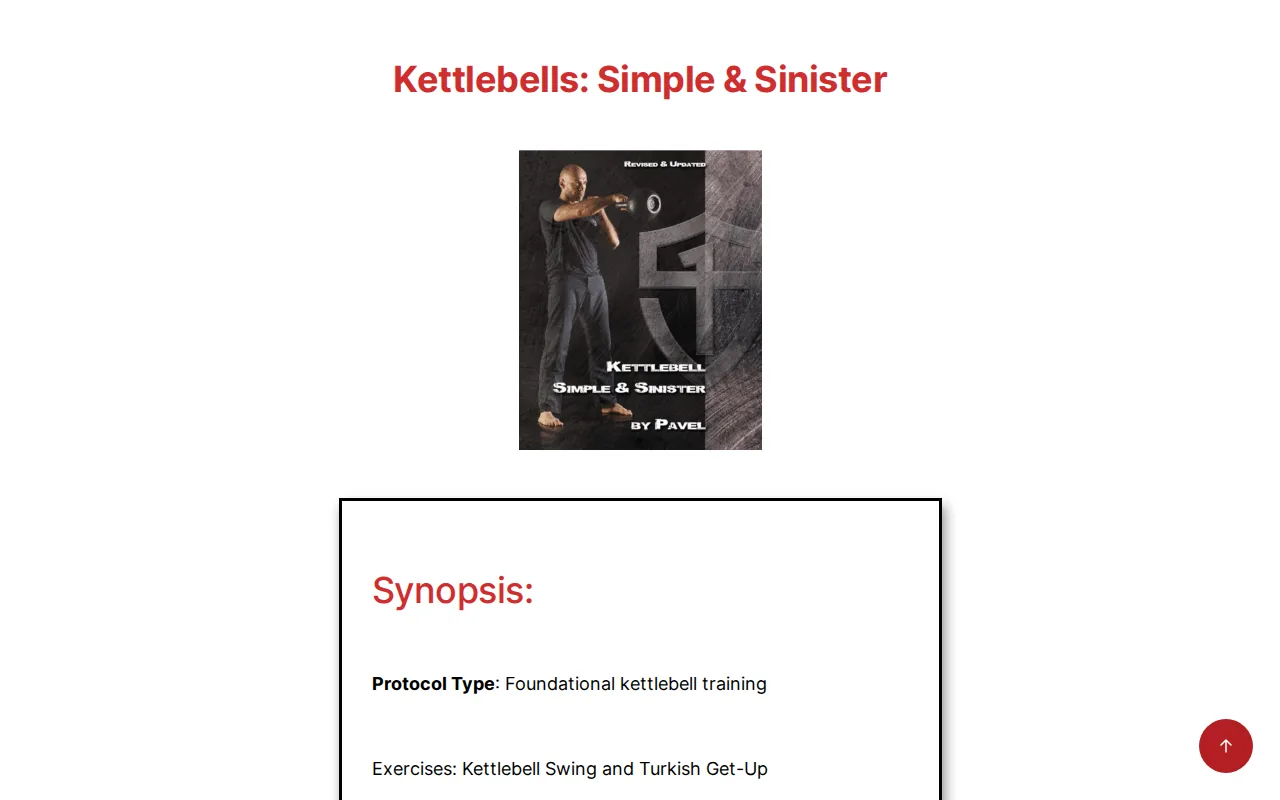
The common session structure uses 100 one-arm swings and 10 Turkish get-ups. A get-up takes you from the floor to standing while you hold a bell overhead. Move slowly through each position. If you can’t keep your wrist straight and shoulder steady, practice without weight or use a lighter bell.
For swings, begin with a hip hinge. Send your hips back while keeping your back long, then drive your hips forward to stand. If the movement turns into a squat or your arms start lifting the bell, stop and reset. You can build the hinge with deadlifts before using a faster swing. The swing workout examples and hinge cues give you more ways to practice that pattern.
This routine’s main strength is its narrow focus. You can track the bell you use and whether each rep stays smooth. Progress by improving control first, then consider a heavier bell when you can complete both movements without rushing. Don’t use your swing weight automatically for get-ups; the overhead hold asks for a different kind of control.
The trade-off is repetition. The core session doesn’t change much, so it may not suit you if variety keeps you engaged. It also doesn’t give you a set six-week finish line. Think of it as ongoing practice, with recovery days added around your work, family, and other training.
3. ABC Kettlebell Program: A Structured Six-Week Plan
The ABC Kettlebell Program is a six-week plan for intermediate trainees who already know core kettlebell skills. It runs three times a week, with sessions around 45 minutes. That schedule may fit if you can protect three longer training blocks and want the work to change across the plan.
Its three phases move through volume accumulation, density, then intensity. In plain terms, the plan changes the amount and feel of the work as the weeks pass. Density means doing similar work with less rest, not rushing each rep. Keep your movement clean as the challenge shifts.
The main movements include the clean, press, squat, swing, and row. A clean moves the bell from between your legs into the rack position at your shoulder. Keep the bell close and guide it around your wrist rather than letting it bang against your forearm. The press starts from that rack position. Brace your middle and stop if your lower back arches to help the bell overhead.
Plan a short warm-up before each session. Rehearse hinges and squats without load, then use light reps of the movements in the workout. Afterward, walk until your breathing settles and use gentle hip or shoulder mobility if it feels good. The longer session gives you room to move at a controlled pace, but it may be hard to fit on a day with pickup, work, or bedtime duties.
Choose this format if you have the skills and time for its three weekly sessions. If your week changes often, a shorter session or a plan with more scheduling flexibility may be easier to stick with.
4. Kettlebell KUTS: A 30-Minute Workout Option
Kettlebell KUTS is a video-led workout option, with sessions of roughly 30 to 45 minutes. It may suit you when you want a coach on screen to cue the session instead of stopping to choose each next move. Have one bell and enough clear floor space to move safely.
A follow-along workout can make it easier to keep going when your free time is short. Still, a video session and a progressive plan are different things. For strength, pay attention to whether you can add a rep, use a heavier bell when ready, or complete the same work with steady form. Repeating a session without changing the challenge may not match a goal of getting stronger.
A well-rounded session can include a squat, hinge, press, and row. A goblet squat holds the bell close to your chest while you sit between your hips. A deadlift is a slower hinge that teaches you to move the bell from the floor with a long back. A row trains your upper back; use a stable stance or support your free hand if balance is an issue.
Intervals can add a cardio feel. For example, work for a set period, then rest before the next round. But don’t let a timer rush a technical move. Cleans, snatches, and Turkish get-ups need control. If your grip opens or your rack position feels unstable, pause or choose an easier movement.
This is the screen-led choice in the list. Before pressing play, check that the session’s pace and movements match your current skill. A workout should leave you tired, not guessing whether your next rep is safe.
5. Kettlebell Kickboxing: A More Cardio-Focused Choice
Kettlebell kickboxing blends martial-arts movement patterns with kettlebell work. It suits you if you enjoy changing moves and want a session with more cardio focus than a slow strength workout. The pace can raise your breathing rate, so learn any new steps without a bell first.
Some sessions use timed rounds with punches, steps, kicks, and kettlebell moves. Keep the bell for patterns you can control while holding your stance. Add a light load only after you understand the movement. If timing feels awkward, leave the bell out for that part or pause the session to practice the pattern.
This format can add variety, but it shouldn’t crowd out slower strength work if building strength is your main goal. Keep squats, presses, and rows in your week too. A kick or punch pattern doesn’t replace a controlled press, and speed doesn’t make every exercise a strength move.
Think about the day’s goal before you start. If you want to work on strength, use a pace that lets you control each rep and rest enough between sets. If you want conditioning, keep moving through familiar patterns while your form stays steady. Either way, stop if you feel pain, dizziness, or unusual discomfort.
Kettlebell kickboxing can make training feel less repetitive. Treat it as a cardio-focused session, then place a slower strength workout on another day if that’s also part of your goal.
Quick Comparison: Which Kettlebell Workout Fits Your Week?
Time is only one part of a good fit. Look at how many days you can train, the skills each format asks for, and whether you want the same session or a changing plan. For general health, adult activity guidelines set weekly targets for both aerobic activity and muscle-strengthening activity.
| Workout | Time and schedule | Best fit | Watch for |
|---|---|---|---|
| 20-Minute Gauntlet | 20 minutes; 2–3 sessions weekly | Short strength and conditioning | Don’t race the timer |
| Simple & Sinister | About 20 minutes; repeat practice | Two core skills and a steady routine | Get-ups need slow, controlled practice |
| ABC Kettlebell Program | Six weeks; 3 sessions weekly, about 45 minutes | Intermediate trainees who want phases | Longer sessions need protected time |
| Kettlebell KUTS | About 30–45 minutes; video-led | Follow-along coaching | Check how the plan builds over time |
| Kettlebell Kickboxing | Varies by session | Cardio focus and changing moves | Learn new patterns without a bell first |
If a clear calendar matters more than picking a fresh video each day, Hybrid Fit Mom’s six-week strength and conditioning program is designed for busy women and mothers with basic kettlebell skills. It includes four weekly sessions: three lasting 30 to 40 minutes and a shorter core day of about 20 minutes. The program costs $29 as a one-time purchase and includes lifetime access.
That structure can help you plan around work and family instead of hoping a saved workout fits later. See how the kettlebell programs for women and busy moms compare on schedule and format before you choose.
FAQ
How many days a week should a woman do kettlebell workouts?
Two or three sessions a week is a reasonable starting point if you’re new to kettlebells or returning after time off. Leave a rest day between harder sessions while you learn the movements. If you already train consistently, you may handle more days, but vary effort and watch how your body recovers.
How heavy should my kettlebell be?
Choose a bell you can control through the hardest movement in the workout. Your squat weight may feel too heavy for a strict press or Turkish get-up. Start lighter when learning a new skill, and stop if you lose your grip, brace, or balance. Clean reps matter more than the number on the bell.
Can a 20-minute kettlebell workout be enough?
Yes, a focused 20-minute session can fit useful strength and conditioning work into a busy day. Warm up briefly, use a few familiar movements, and take rests that let you keep good form. One short session doesn’t replace a weekly plan, so consider how often you can train and where recovery fits.
Should I do kettlebell swings every workout?
No, swings don’t need to appear in every session. They’re a fast hip-hinge movement, so use them when you can keep the bell close and drive from your hips. If your back rounds or the move turns into a squat, switch to deadlifts and practice the hinge before returning to swings.
Are kettlebell workouts good for cardio?
They can challenge your heart and lungs, especially when you use steady circuits or timed rounds. Faster work isn’t always better, though. Use controlled strength sets when that’s your focus, and choose familiar moves for conditioning. There’s no need to guess at calorie burn; pace, load, rest, and the person all affect effort.
Conclusion
Pick the routine that fits your actual week, not an ideal one. If you want a set schedule with progressive home sessions, take a look at Hybrid Fit Mom’s six-week program, then choose four training slots you can protect and begin with a bell you control.