Best Kettlebell Swing Workouts for Busy Women

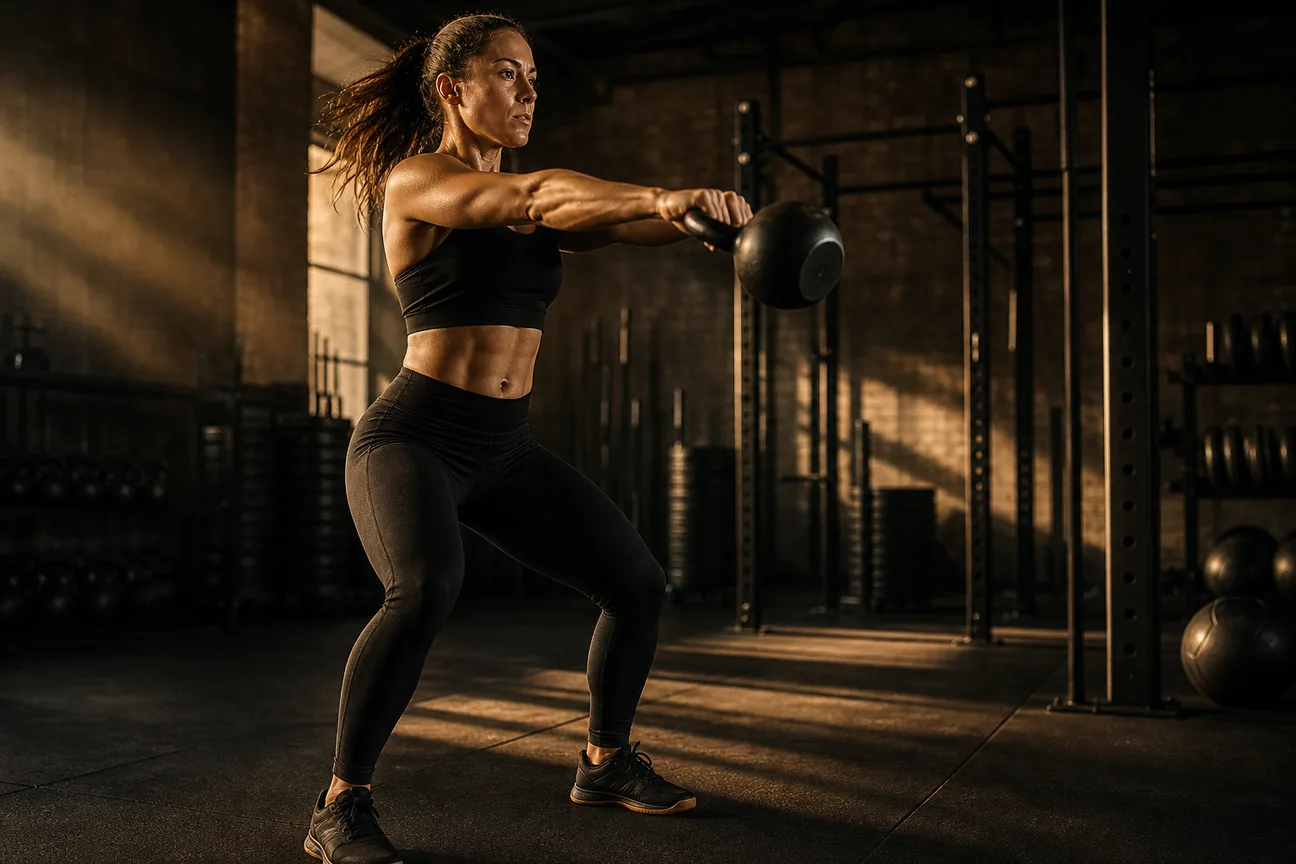
A kettlebell swing can train strength and conditioning in a short block, but only when your hips do the work. Here are five ways to fit swings into home training, with options for a quick session or a steadier build.
1. The 10-Minute Swing Ladder: A Compact Home Workout
This 10-minute ladder is a short standalone session for women who already know how to hinge and swing. It’s a useful choice when the school pickup, workday, or dinner plan leaves little room for a full workout.
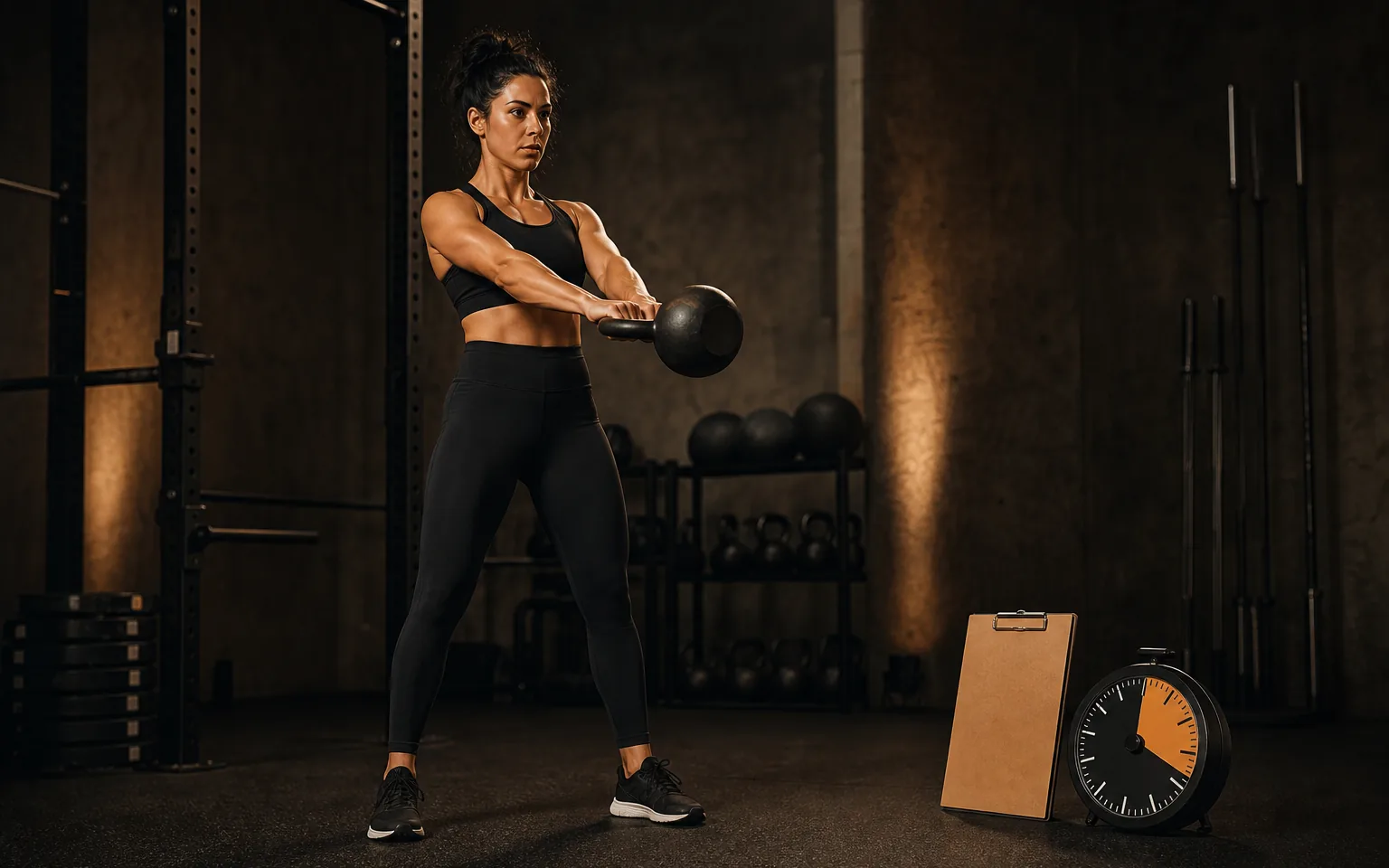
Set a timer for 10 minutes. Start with 5 two-hand swings, then rest for the remainder of that minute. Add 2 swings each minute: 5, 7, 9, and so on. If you can’t finish the planned reps with crisp form, repeat the last clean rung or stop. The goal is not to win a race against the clock.
The swing is a hip hinge, not a squat. Keep your feet about shoulder-width apart and the bell on the floor a short step in front of you. Soften your knees, push your hips back, and grip the handle. Pull your shoulders down so your arms connect to your trunk. Hike the bell between your thighs, then snap your hips forward. Your arms guide the bell to about chest height. They don’t lift it.
Inhale as the bell swings back. Exhale as your hips drive forward. At the top, stand tall and squeeze your glutes without leaning back. Your spine stays neutral from the hike to the finish. Swings work the glutes and hamstrings hard, while your core braces to keep your trunk steady.
Use a bell that lets you finish the set with control. If your lower back takes over, the bell is too heavy, your set is too long, or both.
2. The 15-Minute Swing EMOM: A Simple, Timed Option
This EMOM, short for “every minute on the minute,” gives your kettlebell swing workouts a set pace. It suits you if you like clear start times and built-in rest instead of watching the clock between loose sets.
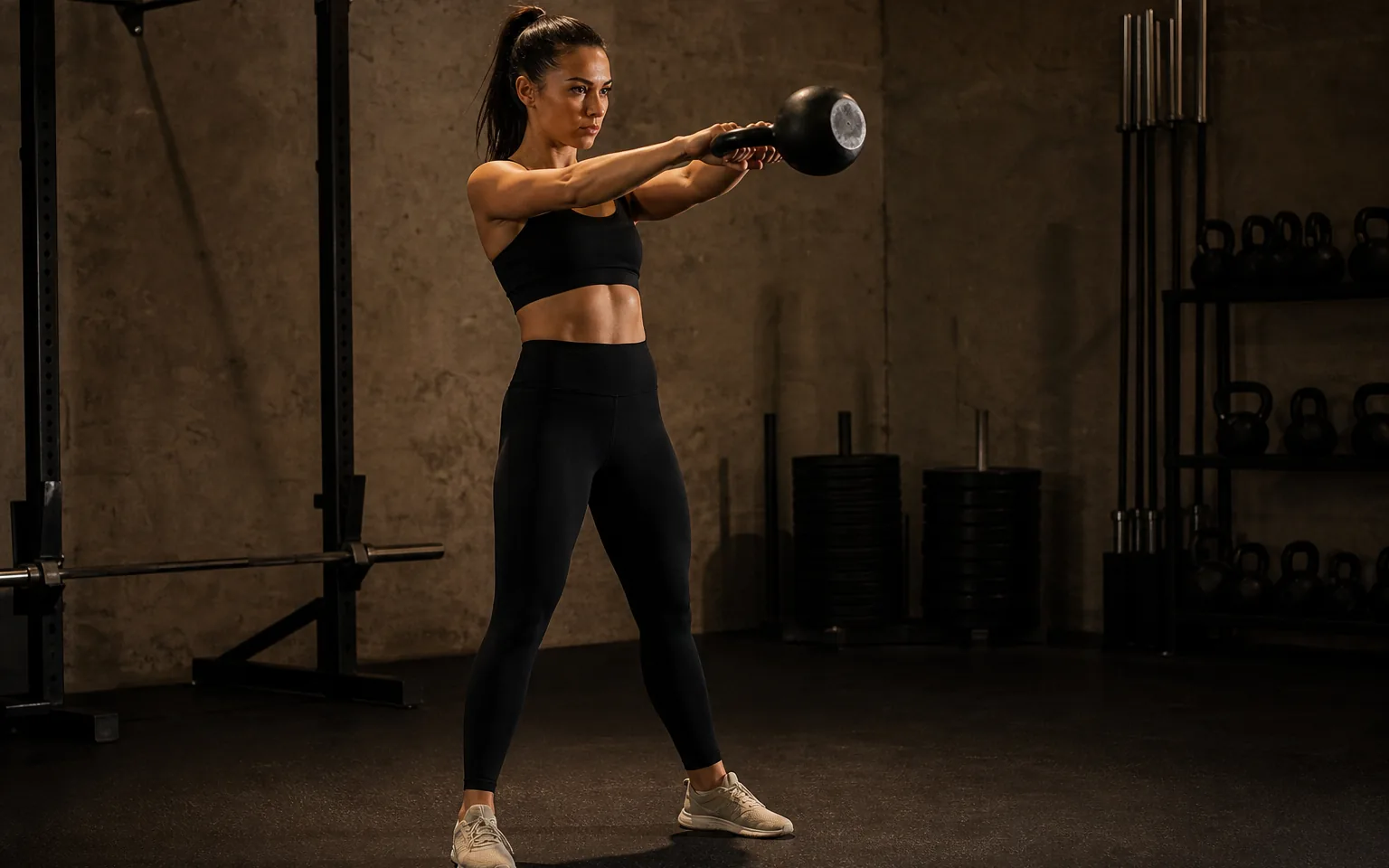
Set a timer for 15 minutes. At the start of each minute, do 8 to 10 two-hand swings. Rest for whatever time remains. If the swings take 25 seconds, you have 35 seconds to recover before the next round. Start at the lower end if you’re new to timed sets or returning after a break.
Keep the reps smooth. The bell should float up from your hip drive, not from a shoulder raise. On the way down, let it pass close to your body. Hinge back as the bell reaches your hips, then hike it through your legs. Breathe in on the backswing and breathe out as you stand tall.
EMOMs make it easy to see when fatigue changes your movement. If your swing slows, your back rounds, or you start squatting the bell forward, end that round. You can lower the rep count for the remaining minutes or call the session there. A timer is a tool, not a dare.
Once 8 to 10 reps leave plenty of rest and every rep looks alike, add one or two reps per minute. Keep the 15-minute limit for now. Later, you could add a minute or use a slightly heavier bell, but change one thing at a time so you know what you can handle.
Keep this workout to two or three days a week at most, with easier training or rest between hard sessions. A short swing EMOM can raise your breathing rate, but it doesn’t replace every kind of cardio or strength work. If your week also includes brisk walking, strength sessions, or another sport, treat swings as one part of the plan.
Choose the EMOM when you want consistency more than variety. Each minute gives you a clear job, then a chance to reset.
3. The 20-Minute Swing-and-Squat Circuit: Strength With a Cardio Element
This circuit pairs swings with goblet squats and a simple upper-body move. It’s for you when a single kettlebell session needs to train more than the back of your body, but you still want the workout to fit a busy evening.
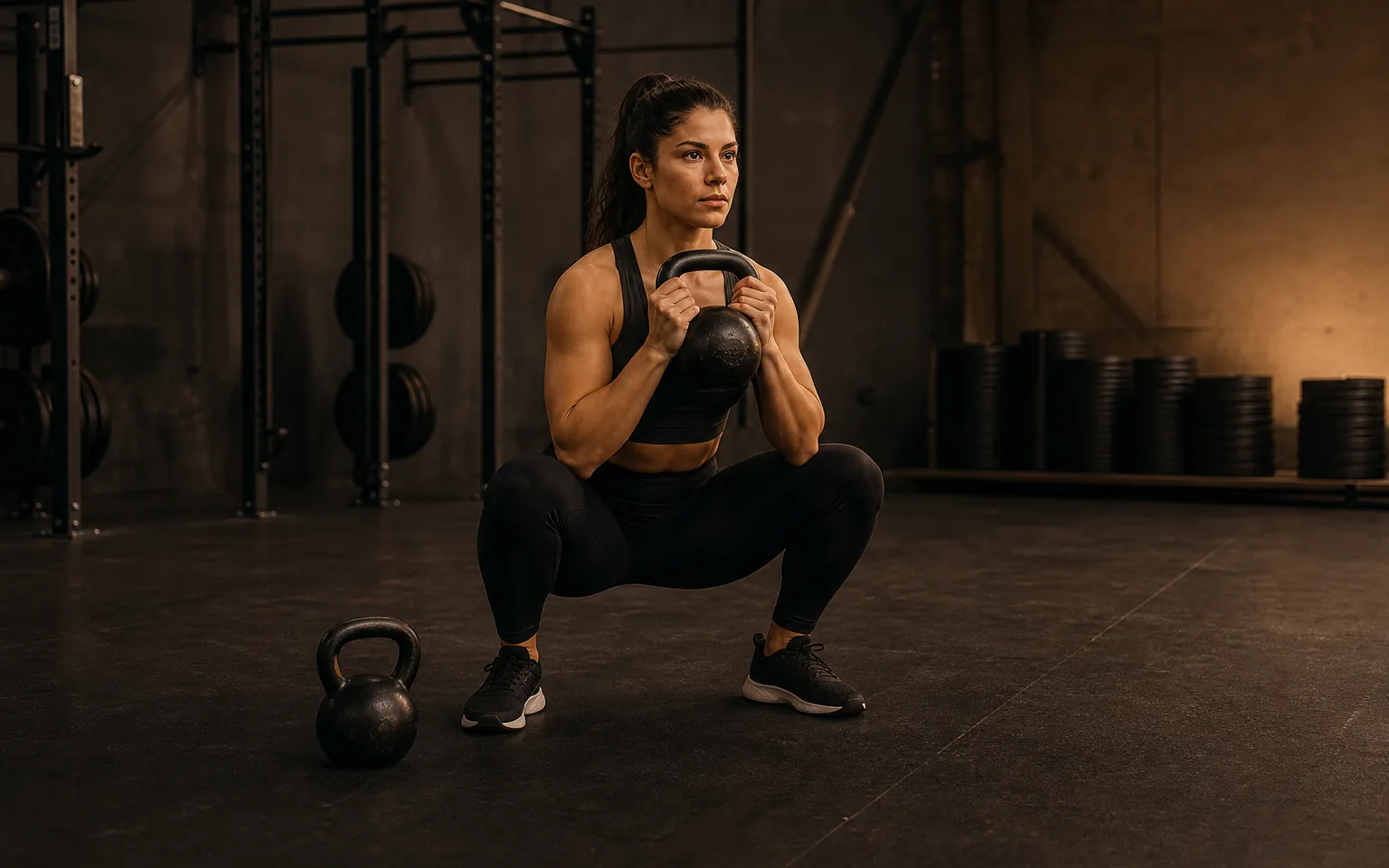
Set a timer for 20 minutes and move through these three stations at a steady pace:
- 10 two-hand swings
- 8 goblet squats, holding the bell close to your chest
- 6 incline pushups with your hands on a sturdy bench or counter
Rest as needed between moves and rounds. Use a low, stable surface for pushups. If your form starts to fade, take a longer break or end the circuit. Don’t turn a strength session into a scramble.
The swing is the hinge in this circuit. Your hips travel back while your shins stay fairly upright. The squat is different: your knees bend more as you lower between your legs. In the goblet squat, keep your chest comfortably tall and your feet planted. Pick a depth you can control without your heels lifting or your back rounding.
For the pushup, brace your middle and keep your body in one line. A counter makes the move easier; a lower bench makes it harder. The circuit now covers a hip hinge, a squat, and a push. Your grip and core work to control the kettlebell through both loaded movements.
Rounds may take different amounts of time as you learn the moves. That’s fine. Use a load that lets you complete every swing with a strong hip snap, and a squat depth that feels steady. When all three exercises feel controlled, add a round before reaching for a heavier bell.
Strength work and conditioning can share a session, but the pace matters. You should be able to pause, breathe, and make the next rep look like the last one. If you need more time, set a 12- or 15-minute timer. A shorter session with sound reps beats 20 minutes of rushed movement.
4. The Low-Impact Swing Interval Workout: More Recovery Between Sets
This interval option puts more rest between short sets. It suits you if you want to train hip power while keeping each burst brief, or if longer swing sets make your form slip.
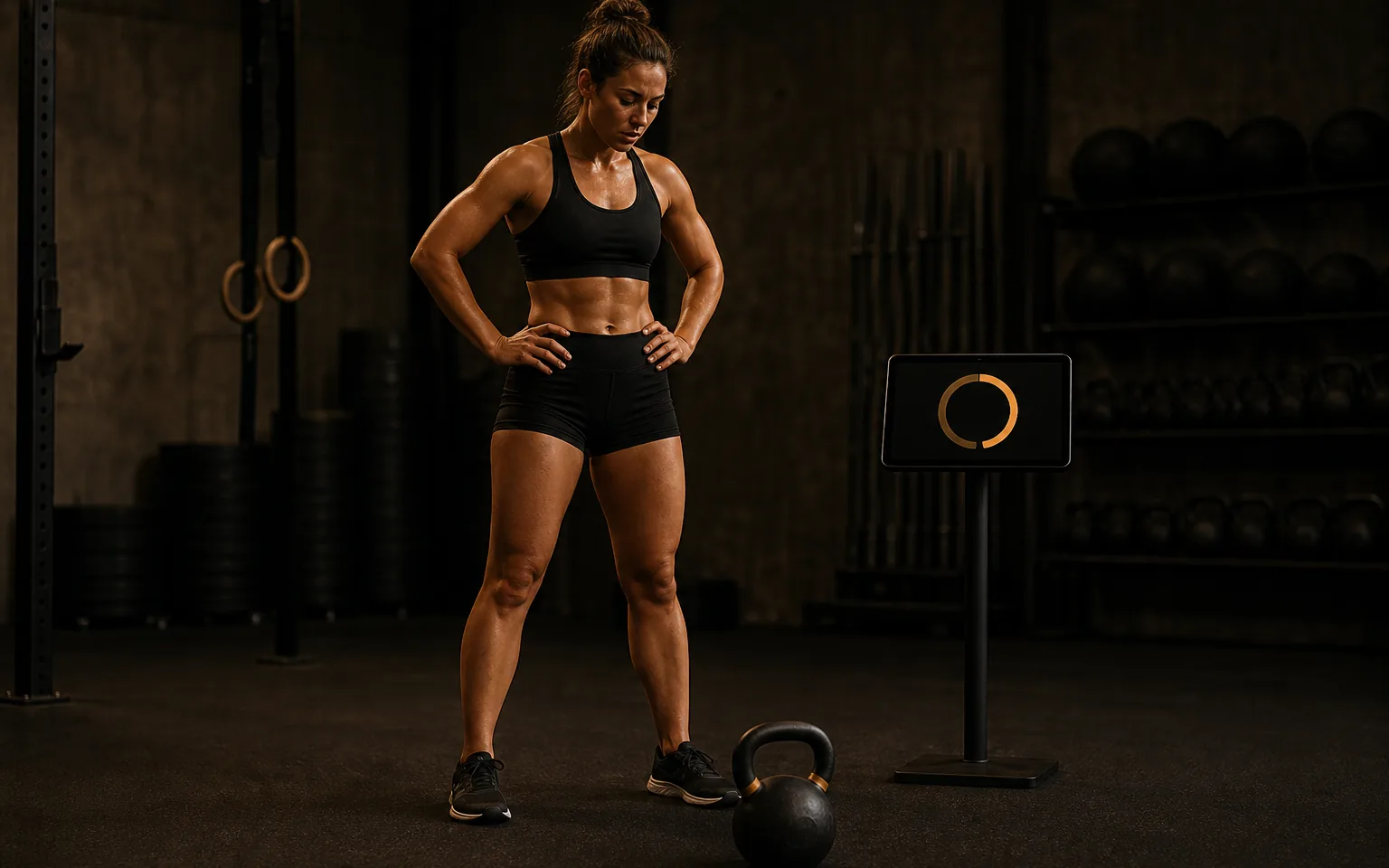
Try 10 rounds of 15 seconds of swings followed by 45 seconds of rest. That’s 10 minutes total. Keep the work period smooth and stop the set early if the bell loses its easy float or your pace changes. The rest is part of the workout, not wasted time.
Before the first round, do a few minutes of easy movement and practice unloaded hip hinges. Then test a small number of swings. You should feel your glutes and hamstrings drive the bell while your arms stay loose enough to guide it. The lower back should not feel like it’s doing the lifting.
Short work bouts can help protect speed. As fatigue builds, the hips may slow and the swing can turn into an arm pull or a back extension. Use a light enough bell to keep each 15-second bout crisp. If you’re training for general conditioning instead, a longer interval may fit, but only while your hinge stays clean.
For a low-impact session, the word “impact” can be misleading: your feet don’t need to leave the floor. Keep them rooted, and let the bell move through a controlled arc. If you feel pain in your back, hips, or hands, stop. If you have ongoing pain or a medical concern, ask a qualified health professional before continuing.
Once the 10 rounds feel easy, change only one part. You might add a few seconds of work, reduce the rest slightly, or use a heavier bell. Don’t raise the load and lengthen the intervals at the same time. That makes it harder to tell what your body is responding to.
Choose this format when clean, fast reps matter more than chasing a high rep count. Longer recovery gives you room to reset your stance and breathing before each set.
5. The Strength-Endurance Swing Workout: A Gradual Challenge
This three-stage workout builds from hinge practice to repeat swings. It’s a good fit if you have basic kettlebell skills and want your training to feel more planned than a daily swing challenge.
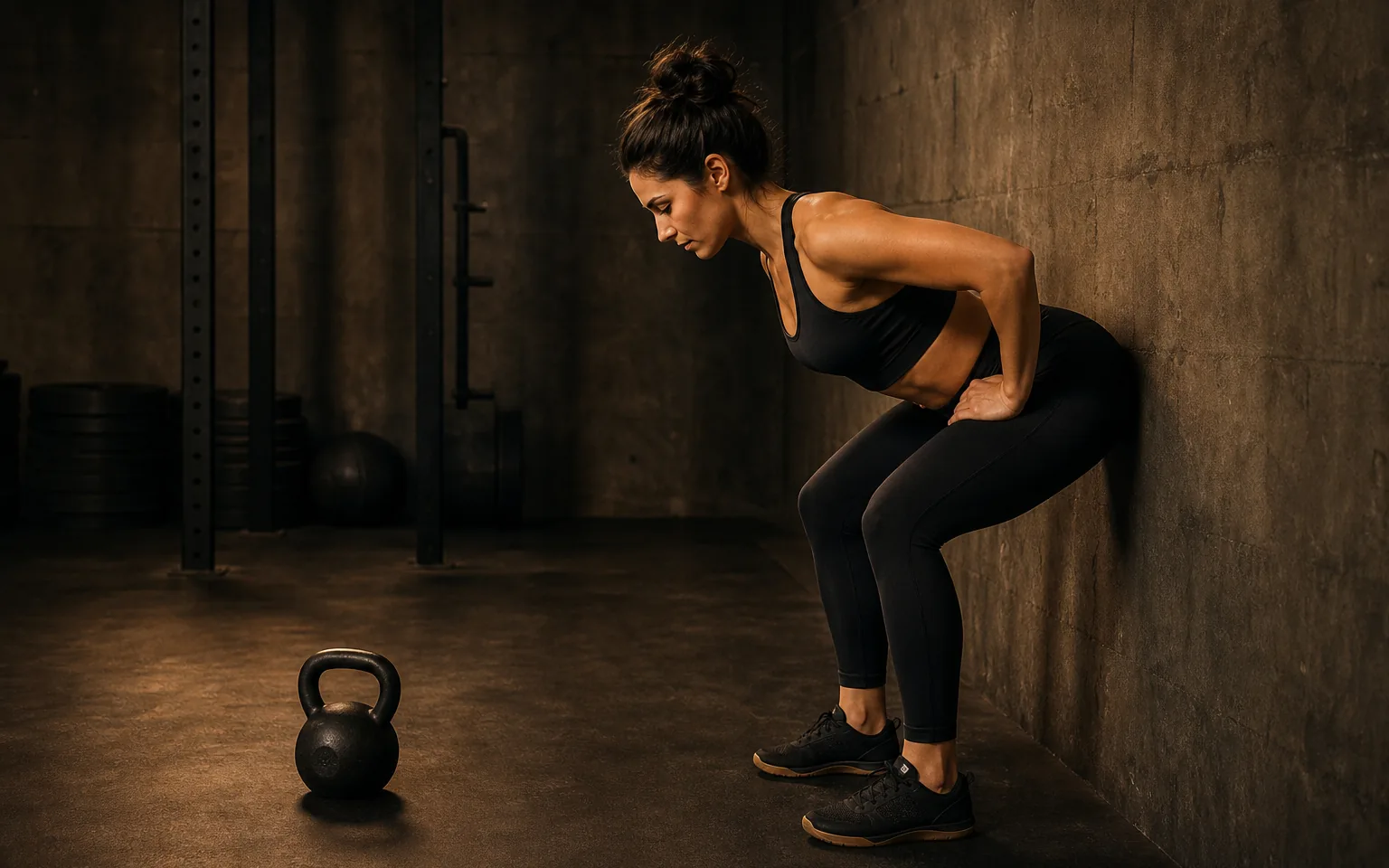
First, rehearse the hinge without a bell. Stand a short step from a wall with your back to it. Soften your knees, keep your spine neutral, and push your hips back until they touch the wall. If your knees travel far forward, you’re turning the hinge into a squat. Practice until your hips move back without your lower back rounding.
Next, pick a kettlebell you can deadlift for about 10 clean reps. That’s a useful starting point from Hybrid Fit Mom’s program guidance, though the right load still depends on your skill and comfort. Place the bell in front of you. Hinge down, grip it firmly, and lift it with your legs and hips before starting your swings.
| Stage | Workout | Move on when |
|---|---|---|
| Practice | 3 sets of 8 unloaded hip hinges, then 3 sets of 5 deadlifts | You can keep a neutral spine and feel the hips move back |
| Learn the swing | 5 rounds of 8 two-hand swings, resting 60 to 90 seconds | The bell floats from hip drive, with no arm lift or back lean |
| Build endurance | 8 rounds of 10 swings, resting about 45 to 60 seconds | Your final round looks as controlled as the first |
These are sample training doses, not a requirement to move on by a set date. Repeat a stage if you need to. The swing is a fast movement; adding reps before you own the hinge can teach you to move poorly at speed.
Use the Russian-style swing, where the bell travels to about chest height, as your default. The American-style swing goes overhead. It asks for more shoulder mobility and control, so it isn’t a shortcut to a better workout. Add it only if you’ve learned the skill and can reach overhead without arching your back.
One-arm and cross-body swings add a rotation challenge, but they’re not the first variation to learn. Your hips and upper back can turn in a controlled way, while your lower back should stay braced rather than twist under a moving load. Build two-hand swing strength first. If you’re unsure about the rotation, skip it and keep the standard swing.
Frequently Asked Questions
Are kettlebell swing workouts good for beginners?
Kettlebell swing workouts can suit beginners who can first learn a hip hinge and keep a neutral spine. Start with unloaded hinge practice and kettlebell deadlifts before trying swings. Use a light load and short sets. If you can’t keep the movement smooth, stay with the hinge drill and get coaching before adding speed.
How many kettlebell swings should I do in a workout?
There isn’t one right number for every person. For a first session, try a few short sets of 5 to 10 swings with enough rest to keep your form steady. Add reps only when you can maintain the same hinge, breathing, and control from the first swing to the last.
What weight kettlebell should I use for swings?
Choose a bell you can control without lifting it with your arms or leaning back at the top. One useful starting check is whether you can deadlift the bell for about 10 clean reps. If the swing makes your back work harder than your hips, use a lighter bell or return to deadlifts and hinge practice.
Can I do kettlebell swings every day?
Daily kettlebell swing workouts aren’t needed to make progress. Swings can tire your grip and hips, so leave room for recovery, especially after hard sets. Two or three swing sessions in a week can be a more manageable starting point. Reduce the work if soreness affects your movement or daily tasks.
Conclusion
Start with the workout you can repeat without rushing: the 10-minute ladder for a short session, or the six-week Hybrid Fit Mom plan if you want a set progression. Pick your bell, practice the hinge, and schedule your first session before the week fills up.
If you want a week-by-week plan rather than saved workouts, Hybrid Fit Mom’s six-week kettlebell program has progressive home workouts, prerecorded demos by Mari, an eating framework, and lifetime access to future programs for one payment. Three of its four weekly sessions run 30 to 40 minutes, and the fourth is a core day of about 20 minutes.